

Introduction
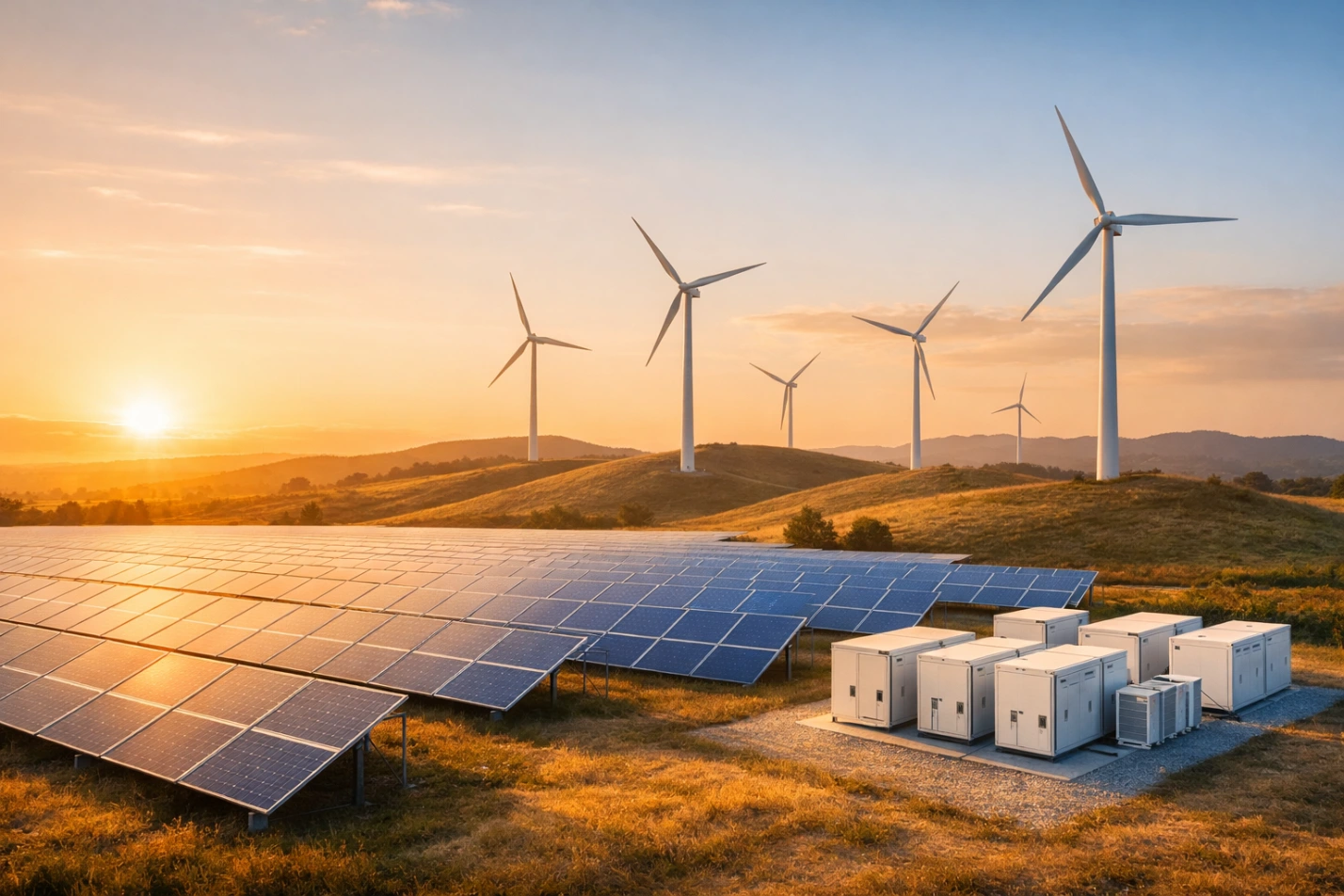
The future of renewable energy is no longer a distant idea. It is happening right now, in solar panels on rooftops, wind farms off coastlines, and battery labs racing to solve one of humanity’s biggest challenges: how to power the world without destroying it.
For decades, fossil fuels drove global progress, but they also created a climate crisis that demands urgent solutions. Renewable energy has emerged as the most promising path forward, offering cleaner power without the long-term environmental cost.
This article breaks down where renewable energy stands today, the innovations changing the game, and what readers can expect in the years ahead. Whether you are a student researching sustainability, a science enthusiast curious about new technology, or someone who simply wants a cleaner planet, this guide will help you understand the trends shaping the future of renewable energy.
You will learn about breakthroughs in solar and wind technology, the rise of green hydrogen, smarter energy storage, and the practical challenges still standing in the way. By the end, you will have a clear, well-rounded picture of how the world is moving toward a sustainable energy future.
What Is Renewable Energy and Why It Matters
Renewable energy comes from natural sources that replenish themselves faster than we use them. This includes sunlight, wind, water, geothermal heat, and biomass. Unlike coal, oil, and natural gas, these sources do not run out on a human timescale.
The future of renewable energy matters because the world’s energy demand keeps rising while the climate crisis keeps worsening. According to the International Energy Agency, renewables accounted for the largest share of new electricity generation capacity added globally in recent years, driven mainly by solar and wind.
Switching to renewable sources reduces greenhouse gas emissions, improves air quality, and creates energy independence for countries that once relied on imported fuel. It also opens the door to millions of new jobs in manufacturing, installation, and maintenance.
The Current State of Global Renewable Energy
Renewable energy is no longer a niche market. It has become mainstream, competitive, and in many regions, cheaper than fossil fuels.
- Solar and wind are now among the least expensive sources of new electricity in most parts of the world.
- Countries like China, the United States, and members of the European Union are investing heavily in clean energy infrastructure.
- Corporate demand for renewable power purchase agreements has grown steadily as companies commit to sustainability goals.
This momentum sets the stage for the next wave of innovation, which is where things get genuinely exciting.
Solar Power Innovations Driving Change
Solar energy has advanced faster than almost any other renewable technology over the past decade. Panel efficiency keeps improving while manufacturing costs keep falling.
Perovskite Solar Cells
Perovskite materials are a newer alternative to traditional silicon solar cells. They are cheaper to produce and can achieve high efficiency rates in laboratory settings. Researchers are working on making them durable enough for long-term outdoor use, which could dramatically lower the cost of solar power.
Bifacial Solar Panels
Bifacial panels capture sunlight from both the front and back sides, increasing energy output without needing more land. These panels are becoming popular in large-scale solar farms because they generate more electricity per square meter than standard panels.
Floating Solar Farms
Floating solar installations, sometimes called “floatovoltaics,” sit on reservoirs, lakes, and even coastal waters. This approach saves valuable land space and can improve panel efficiency because water has a natural cooling effect.
Example: Countries with limited land but abundant water bodies, such as Japan and South Korea, have adopted floating solar as a practical way to expand capacity without competing with agriculture or urban development.
Wind Energy: Bigger, Smarter, and More Efficient
Wind power has grown into one of the most reliable renewable sources, especially as turbine technology continues to scale up.
Offshore Wind Expansion
Offshore wind farms take advantage of stronger, more consistent winds over open water. Turbines built farther from shore can be larger and more powerful than onshore versions, generating significantly more electricity per unit.
Taller Turbines and Longer Blades
Modern turbines are taller and have longer blades than those built even five years ago. This design captures more wind energy and reduces the cost per megawatt generated.
Airborne Wind Energy Systems
A newer concept involves flying devices, similar to kites or drones, that generate electricity from high-altitude winds. This technology is still experimental but could eventually reduce the need for massive steel towers.
Energy Storage: Solving the Biggest Renewable Challenge
One of the biggest criticisms of renewable energy is intermittency. The sun does not always shine, and the wind does not always blow. Energy storage is the key to solving this problem.
Lithium-Ion Battery Improvements
Battery costs have dropped significantly over the past decade, making large-scale storage more affordable. Manufacturers continue to improve energy density and lifespan, allowing batteries to store more power for longer periods.
Solid-State Batteries
Solid-state batteries replace the liquid electrolyte found in traditional lithium-ion batteries with a solid material. This design promises faster charging, improved safety, and longer life, though widespread commercial use is still developing.
Long-Duration Storage Alternatives
- Pumped hydro storage: Uses excess electricity to pump water uphill, then releases it through turbines when power is needed.
- Compressed air storage: Stores energy by compressing air in underground caverns.
- Thermal storage: Captures excess heat or cold for later use, often paired with solar thermal plants.
These technologies help balance supply and demand, making renewable power more reliable around the clock.
Green Hydrogen and Its Growing Role
Green hydrogen is produced by using renewable electricity to split water into hydrogen and oxygen through a process called electrolysis. Unlike hydrogen made from natural gas, this method produces no carbon emissions.
Green hydrogen is especially useful for industries that are difficult to electrify directly, such as steel manufacturing, shipping, and heavy trucking. It can also serve as a storage medium, allowing excess renewable electricity to be converted into hydrogen and used later.
Several governments have introduced hydrogen strategies, offering subsidies and infrastructure investment to accelerate adoption. While production costs remain higher than fossil-fuel-based hydrogen for now, prices are expected to fall as electrolyzer technology improves and scales up.
Smart Grids and AI in Renewable Energy
Renewable energy does not just need better generation and storage. It also needs smarter distribution systems.
What Smart Grids Do
Smart grids use digital technology to monitor and manage electricity flow in real time. They can automatically balance supply and demand, detect outages faster, and integrate distributed energy sources like rooftop solar.
The Role of Artificial Intelligence
AI systems can predict energy demand patterns, optimize battery charging schedules, and forecast weather-related changes in solar or wind output. This allows grid operators to make faster, more accurate decisions and reduce energy waste.
Practical Application: Utility companies are increasingly using AI-driven software to predict when and where renewable output will spike or drop, helping them adjust electricity pricing and storage use accordingly.
Emerging Technologies to Watch
Beyond solar, wind, and storage, several emerging technologies could reshape the renewable landscape in the coming years.
- Tidal and wave energy: Harnesses the predictable motion of ocean tides and waves to generate electricity.
- Enhanced geothermal systems: Extend geothermal energy access beyond traditional hotspots by drilling deeper into the earth’s crust.
- Agrivoltaics: Combines solar panel installations with farming, allowing crops to grow beneath elevated panels while land is used for two purposes at once.
- Next-generation biofuels: Produced from algae or agricultural waste rather than food crops, reducing competition with food supply.
These technologies are still developing but represent promising directions for diversifying the renewable energy mix.
Benefits of Renewable Energy Adoption
The shift toward renewable energy brings advantages that go beyond environmental protection.
- Lower long-term costs: Renewable sources have little to no fuel cost once infrastructure is built.
- Reduced emissions: Cleaner air and progress toward international climate targets.
- Energy security: Less dependence on imported fossil fuels reduces exposure to price volatility.
- Job creation: The renewable sector supports millions of jobs in installation, manufacturing, and research.
- Public health improvements: Reduced air pollution leads to fewer respiratory and cardiovascular illnesses.
Challenges Facing the Renewable Energy Transition
Despite the progress, the transition is not without obstacles.
- Intermittency: Weather-dependent generation still requires better storage and backup solutions.
- Grid infrastructure: Many power grids were not designed to handle distributed and variable energy sources.
- Raw material supply: Batteries and solar panels require materials like lithium and cobalt, which raise mining and supply chain concerns.
- Upfront costs: Although long-term savings are significant, initial investment in infrastructure can be high.
- Policy inconsistency: Shifting government incentives and regulations can slow down long-term planning for businesses and investors.
Best Practices for Businesses and Individuals
For those looking to participate in the renewable energy shift, a few best practices can make the transition smoother.
- Start with an energy audit to understand current consumption before investing in renewable systems.
- Combine renewable generation with storage solutions to reduce dependency on the grid during peak hours.
- Take advantage of government incentives, tax credits, or rebates where available.
- Choose reputable installers and certified equipment to ensure safety and long-term performance.
- Monitor system performance regularly using smart meters or monitoring apps.
Common Mistakes in Renewable Energy Planning
Avoiding these mistakes can save time, money, and frustration.
- Oversizing or undersizing systems: Installing a solar or wind system without properly calculating energy needs.
- Ignoring storage needs: Assuming grid power will always be available as backup.
- Skipping maintenance: Neglecting regular inspections, which can reduce system efficiency over time.
- Choosing the cheapest option only: Prioritizing low upfront cost over quality and long-term reliability.
- Not researching incentives: Missing out on available subsidies or tax benefits due to lack of research.
Key Takeaways
- The future of renewable energy is being shaped by rapid innovation in solar, wind, storage, and hydrogen technologies.
- Solar power is advancing through perovskite cells, bifacial panels, and floating solar farms.
- Offshore wind and taller turbines are making wind energy more powerful and efficient.
- Energy storage, especially batteries and long-duration solutions, is critical to solving renewable intermittency.
- Green hydrogen offers a path to decarbonizing industries that are hard to electrify.
- Smart grids and AI are making renewable energy distribution more efficient and reliable.
- Renewable adoption brings economic, health, and environmental benefits, though challenges like infrastructure and material supply remain.
- Careful planning and awareness of common mistakes can help individuals and businesses transition smoothly.
Frequently Asked Questions
1. What is the biggest innovation shaping the future of renewable energy? Energy storage, particularly advances in battery technology, is widely considered one of the most important innovations because it directly addresses the intermittency problem of solar and wind power.
2. Is renewable energy actually cheaper than fossil fuels? In many regions, new solar and wind projects are already cheaper than building new fossil fuel plants, though costs vary depending on location, infrastructure, and government policy.
3. What is green hydrogen used for? Green hydrogen is mainly used in industries that are difficult to electrify directly, such as steel production, shipping, and heavy transportation, as well as for long-term energy storage.
4. Can renewable energy fully replace fossil fuels? Most experts believe a mostly renewable energy system is achievable with continued investment in storage, grid infrastructure, and complementary technologies like hydrogen, though a complete global transition will take decades.
5. What are the main challenges to renewable energy growth? Key challenges include weather-dependent generation, outdated grid infrastructure, supply chain limitations for raw materials, and inconsistent government policies.
6. How does AI help renewable energy systems? AI helps by predicting energy demand, optimizing storage usage, and forecasting weather-related changes in solar and wind output, which improves overall grid efficiency.
7. Is solar or wind energy more efficient? Efficiency depends on location and climate. Sunny regions often benefit more from solar, while areas with consistent strong winds, especially offshore, may see better results from wind energy.
8. What can individuals do to support renewable energy? Individuals can install rooftop solar, choose renewable energy plans from their utility provider, reduce overall energy consumption, and support policies that encourage clean energy investment.
Conclusion
Renewable energy is not a future promise anymore. It is a present-day reality that keeps getting better, cheaper, and smarter with each passing year. From floating solar farms to AI-powered grids, the innovations covered in this article show just how much progress has already been made, and how much more is on the horizon.
The road ahead still has real obstacles, from storage limitations to supply chain pressures, but the direction is clear. As technology matures and costs continue to fall, renewable energy is set to become the backbone of how the world powers itself. Staying informed about these changes is not just useful for students or enthusiasts. It is useful for anyone who wants to understand where the world is heading next.